Heel spurs treatment in the Palm Beach County, FL: Boynton Beach (Greenacres, Boca Del Mar, Lantana, Kings Point) and Wellington (Royal Palm Beach, Riviera Beach, Loxahatchee, Westgate) areas

Heel Spurs Treatment Boynton Beach & Wellington, FL

Heel spurs are deposits of calcium that build upon the underside of the heel bone. They are usually caused by excessive strain on the foot muscles and ligaments and are especially common among athletes. Other risk factors for developing heel spurs include being overweight or obese, wearing ill-fitting shoes, and having an abnormal gait or walking pattern.

The most common symptom of a heel spur is a sharp or stabbing heel pain that is at its worst when you take your first few steps after a long period of rest, such as when you get out of bed in the morning. The pain may become a dull ache as you go about your day. Sometimes a heel spur can also cause intermittent or chronic pain when you walk, jog, or run. Other signs that you may have a heel spur include swelling at the front of the heel, and inflammation. If the affected area also feels warm to the touch, you may be experiencing the symptoms of a heel spur.

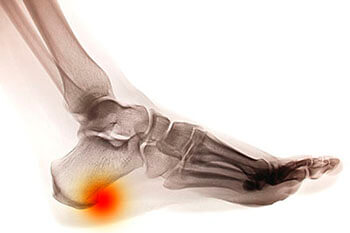
A heel spur takes the form of a bony-like growth. This is due to a calcium deposit that extends between the heel bone and foot arch. They can grow up to half an inch in length; however, they may not be outwardly visible. Because heel spurs tend to grow, increasing the overall discomfort felt, it’s important that you seek professional help as soon as pain is experienced for early detection.

Heel spurs are typically diagnosed through a physical examination and imaging studies like X-rays. Treatment recommendations may include doing certain foot stretches, modifying your footwear, wearing orthotics, or using night splints. Over-the-counter medications can be used to relieve pain and inflammation. Surgical treatment may be considered if more conservative measures have failed to alleviate your symptoms, but surgery is rarely required for heel spurs.

For a proper diagnosis and recommendations for treatment, we suggest you consult with a podiatrist about any heel pain concerns.

What are heel spurs?
Heel spurs are calcium deposits that produce bony growths on the underside of the heel bone. They may or may not cause heel pain. Heel spurs are typically diagnosed through an X-ray.
What does a heel spur feel like?
Heel spurs may not cause any symptoms. Many people have heel spurs and don’t even know it until they show up on an X-ray for other foot conditions. For others, heel spurs can cause heel pain, inflammation, discomfort, or difficulty walking or doing physical activities. They frequently co-occur with plantar fasciitis, an inflammation of the ligament that runs along the bottom of the foot and connects the heel bone to the toes.
What causes heel spurs?
Heel spurs form over a period of months as strain on foot muscles and ligaments and stretching of the plantar fascia lead to tears forming in the membrane that covers the heel bone. Calcium then deposits in the area under the heel in response to these repetitive traumas, forming bony heel spurs. People who have an abnormal gait, frequently run or jog, wear poorly-fitted shoes, are overweight or obese, have flat feet, or stand for prolonged periods of time may be more at risk of developing heel spurs.
Can you get rid of heel spurs?
Treatments for heel spurs include stretching exercises, footwear and activity modifications, taping or strapping the affected foot, wearing orthotics, and taking over the counter pain medications. While the majority of people see improvement with conservative treatments, a small percentage of people may need surgical intervention to release the plantar fascia ligament or remove a spur. You should consult with your podiatrist to determine the best course of action for you.

Connect With Us On Social Media

scroll to top
Book Online