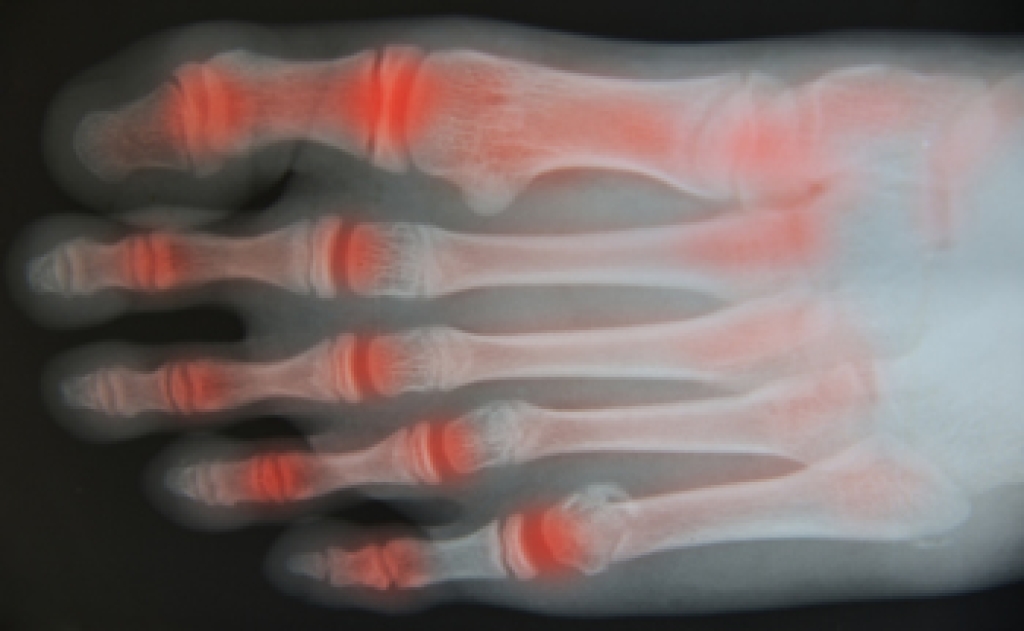
Rheumatoid Arthritis and Its Effects on Your Feet

Rheumatoid arthritis, or RA, is a chronic autoimmune disease that causes the immune system to attack the lining of the joints, leading to inflammation and discomfort. Although RA can affect several parts of the body, the feet are often among the first areas to develop symptoms. The condition commonly affects the small joints near the toes, making walking and standing uncomfortable. Ongoing inflammation damages cartilage and bone, potentially changing foot structure. Understanding how rheumatoid arthritis affects the feet can help you recognize warning signs and seek appropriate podiatric care before complications develop.


Foot pain from rheumatoid arthritis may begin with tenderness around the toe joints or stiffness when getting out of bed in the morning. Some people notice swelling that makes shoes feel tighter than usual. Other symptoms include warmth around affected joints and pain that worsens during daily activities. As the condition progresses, persistent inflammation may contribute to bunions, hammertoes, or changes in the position of the toes. The ball of the foot may become especially painful because pressure increases during walking. Symptoms can affect both feet, although discomfort may vary between sides. Recognizing these changes early can help protect mobility and reduce further joint damage.


The exact cause of RA is not fully understood, but the disease develops when the immune system mistakenly attacks healthy joint tissue. Genetics may increase susceptibility, while smoking and certain environmental exposures can contribute to disease risk. RA affects adults of different ages, and women are more likely to develop the condition than men. People with existing RA may experience flare-ups that increase swelling and pain, making ordinary activities more difficult. Inflammation frequently affects foot joints, tendons, and surrounding tissues. A podiatric evaluation is important when these symptoms persist. Early treatment may help limit structural changes and support comfortable movement.


A podiatrist helps manage foot complications associated with rheumatoid arthritis by examining your feet, assessing joint alignment, and reviewing your symptoms. Depending on your needs, the podiatrist may recommend supportive footwear, custom orthotics, or protective padding to reduce pressure on painful areas. Treatment may also include callus care and guidance on reducing stress on affected joints. If deformities or severe joint damage develop, surgical options may be considered when appropriate. If you experience foot pain from RA, it is suggested that you are under the care of a podiatrist for effective relief and management solutions.

Arthritis can be a difficult condition to live with. If you are seeking treatment, contact Desiree Garzon, DPM from County Wide Foot, Ankle, & Wound Care. Our doctor can provide the care you need to keep you pain-free and on your feet.

Arthritic Foot Care  

Arthritis is a joint disorder that involves the inflammation of different joints in your body, such as those in your feet. Arthritis is often caused by a degenerative joint disease and causes mild to severe pain in all affected areas. In addition to this, swelling and stiffness in the affected joints can also be a common symptom of arthritis.

In many cases, wearing ill-fitting shoes can worsen the effects and pain of arthritis. Wearing shoes that have a lower heel and extra room can help your feet feel more comfortable. In cases of rheumatoid arthritis, the arch in your foot may become problematic. Buying shoes with proper arch support that contour to your feet can help immensely.

Alleviating Arthritic Pain

  • Exercises that stretch the foot can prevent further pain and injury and increase mobility
  • Most of the pain can be alleviated with anti-inflammatory drugs, heat, and topical medications
  • Massages can help temporarily alleviate pain.

It is best to see your doctor for the treatment that is right for your needs and symptoms. Conditions vary, and a podiatrist can help you determine the right method of care for your feet.

If you have any questions please feel free to contact our office located in Boynton Beach . We offer the newest diagnostic tools and technology to treat your foot and ankle needs.


Read more about Arthritic Foot Care

Diabetes and Essential Foot Care Tips

Diabetes is a chronic condition that affects how the body regulates blood sugar. When glucose levels remain high, nerves and blood vessels become damaged, increasing the risk of diabetic foot problems. Common diabetes symptoms include increased thirst, frequent urination, and blurred vision. Some people develop numbness or tingling in their feet as nerve damage progresses. Because reduced sensation makes injuries difficult to notice, even a small blister or cut may develop into a serious wound. Early diabetes management and consistent foot care help protect long-term foot health.

Several factors increase the risk of developing diabetes, including family history, excess body weight, and limited physical activity. For people living with diabetes, poor circulation and nerve damage increase the risk of foot ulcers and infections. Checking your feet daily is one of the most important preventive habits. Look carefully for cuts, blisters, or changes in skin color. Use a mirror to examine the soles, or ask someone to help if you cannot see them clearly. 


Choosing well-fitting shoes helps prevent friction and pressure that damage the skin. Look for supportive footwear with enough room for your toes, and check inside each shoe before putting it on to ensure nothing sharp is hidden. Never walk barefoot, even indoors, because unnoticed objects can injure your feet. Wash your feet daily with lukewarm water, dry them carefully between the toes, and apply moisturizer to dry skin while avoiding the spaces between your toes. Trim toenails straight across, and avoid treating corns or calluses yourself.


A podiatrist examines your feet, checks circulation and sensation, and identifies problems before they become serious. Treatment may include wound care, pressure relief, or specialized footwear. If you have diabetes, it is suggested that you are under the care of a podiatrist who will help you to manage this serious condition.

Diabetic foot care is important in preventing foot ailments such as ulcers. If you are suffering from diabetes or have any other concerns about your feet, contact Desiree Garzon, DPM from County Wide Foot, Ankle, & Wound Care. Our doctor can provide the care you need to keep you pain-free and on your feet.

Diabetic Foot Care

Diabetes affects millions of people every year. The condition can damage blood vessels in many parts of the body, especially the feet. Because of this, taking care of your feet is essential if you have diabetes, and having a podiatrist help monitor your foot health is highly recommended.

The Importance of Caring for Your Feet

  • Routinely inspect your feet for bruises or sores.
  • Wear socks that fit your feet comfortably.
  • Wear comfortable shoes that provide adequate support.

Patients with diabetes should have their doctor monitor their blood levels, as blood sugar levels play such a huge role in diabetic care. Monitoring these levels on a regular basis is highly advised.

It is always best to inform your healthcare professional of any concerns you may have regarding your feet, especially for diabetic patients. Early treatment and routine foot examinations are keys to maintaining proper health, especially because severe complications can arise if proper treatment is not applied.

If you have any questions, please feel free to contact our office located in Boynton Beach . We offer the newest diagnostic and treatment technologies for all your foot care needs.

Read more about Diabetic Foot Conditions

Treating Persistent Ankle Pain

Ankle pain can make everyday activities uncomfortable, from climbing stairs to standing at work. The ankle connects the foot and lower leg through bones, joints, and supporting tissues. Pain can begin after a sudden twist or develop from repeated strain. Sprains and strains are frequent causes of discomfort. Other causes include arthritis, irritated tendons, and changes in foot shape. Shoes that lack proper support can also place extra pressure on the ankle. The location of the pain and how it began can offer clues about the problem.

Symptoms vary depending on what is causing the discomfort. Some patients experience swelling, stiffness, or tenderness around the joint. Others notice warmth or redness, especially when inflammation is present. Pain near the back of the ankle can involve the Achilles tendon, which connects the calf muscles to the heel. Pain along the inside of the ankle can involve another tendon that helps support the foot's arch. High or low arches can change how weight passes through the ankle. Persistent pain can affect balance and make movement more difficult. Severe swelling, changes in skin color, or trouble putting weight on the foot deserve prompt attention.

A podiatrist can identify the source of ankle pain through an examination of the foot and ankle. The evaluation includes checking movement, looking for swelling, and observing how you walk. X-rays or other tests can help when an injury or joint problem is suspected. Treatment depends on the cause and can include supportive insoles, an ankle brace, or changes to shoes. A podiatrist can recommend a guided exercise plan to improve strength and movement. Addressing the cause can reduce discomfort and help protect the ankle from further problems. If you have ankle pain, it is suggested that you schedule an appointment with a podiatrist for a diagnosis and appropriate treatment.

Ankle pain can be caused by a number of problems and may be potentially serious. If you have ankle pain, consult with Desiree Garzon, DPM from County Wide Foot, Ankle, & Wound Care. Our doctor will assess your condition and provide you with quality foot and ankle treatment.

Ankle pain is any condition that causes pain in the ankle. Due to the fact that the ankle consists of tendons, muscles, bones, and ligaments, ankle pain can come from a number of different conditions.

Causes

The most common causes of ankle pain include:

  • Types of arthritis (rheumatoid, osteoarthritis, and gout)
  • Ankle sprains
  • Broken ankles
  • Achilles tendonitis
  • Achilles tendon rupture
  • Stress fractures
  • Bursitis
  • Tarsal tunnel syndrome
  • Plantar fasciitis

Symptoms

Symptoms of ankle injury vary based upon the condition. Pain may include general pain and discomfort, swelling, aching, redness, bruising, burning or stabbing sensations, and/or loss of sensation.

Diagnosis

Due to the wide variety of potential causes of ankle pain, podiatrists will utilize a number of different methods to properly diagnose ankle pain. This can include asking for personal and family medical histories and of any recent injuries. Further diagnosis may include sensation tests, a physical examination, and potentially x-rays or other imaging tests.

Treatment

Just as the range of causes varies widely, so do treatments. Some more common treatments are rest, ice packs, keeping pressure off the foot, orthotics and braces, medication for inflammation and pain, and surgery.

If you have any questions please feel free to contact our office located in Boynton Beach . We offer the newest diagnostic tools and technology to treat your foot and ankle needs.

Read more about Ankle Pain

Why Live with Pain and Numbness in Your Feet?

Suffering from this type of pain? You may have the foot condition known as Morton's neuroma. Morton's neuroma may develop as a result of ill-fitting footwear and existing foot deformities. We can help.

Facts About a Dislocated Toe

A dislocated toe occurs when one of its joints is forced out of its normal position. This injury can happen suddenly and may make walking difficult. A dislocated toe often causes sharp pain right away. Swelling may develop quickly, and bruising can sometimes appear around the injured joint. The second toe is more commonly affected because of its position and exposure to pressure. Prompt evaluation is important because a dislocation can occur with a fracture or other damage.

Common causes include stubbing the toe, falling, or landing awkwardly during sports. A forceful impact can push the toe joint beyond its normal range. Risk factors include activities with frequent jumping, running, or quick direction changes. Wearing shoes that provide poor support may also increase the chance of injury. People with previous toe injuries may have additional risk. If the painful toe looks crooked, feels unstable, or cannot move normally, it should be checked by a podiatrist.

A podiatrist will examine the toe and may order an X-ray to check for a fracture or joint damage. Treatment usually begins with returning the joint to its normal position. This is called reduction and should not be attempted at home. The toe may then be protected with taping or another support while it heals. Rest and elevation can help control swelling. Your podiatrist will also explain when you can safely return to normal activities and footwear.

Recovery from a dislocated toe depends on the severity of the injury and whether other damage is present. Following treatment instructions can help protect the joint and lower the risk of ongoing pain or stiffness. Even when swelling improves, continued tenderness should not be ignored. If you have symptoms of a dislocated toe, it is suggested that you consult a podiatrist for effective relief and treatment solutions. 

Toe pain can disrupt your daily activities. If you have any concerns, contact Desiree Garzon, DPM of County Wide Foot, Ankle, & Wound Care. Our doctor can provide the care you need to keep you pain-free and on your feet.

What Causes Toe Pain?

Most severe toe pain is caused due to a sports injury, trauma from dropping something heavy on the toe, or bumping into something rigid. Other problems can develop over time for various reasons.

Toe pain can be caused by one or more ailments. The most common include:

  • Trauma
  • Sports injury
  • Wearing shoes that are too tight
  • Arthritis
  • Gout
  • Corns and calluses
  • Hammertoe
  • Bunions
  • Blisters
  • Ingrown toenails
  • Sprains
  • Fractures (broken bones)
  • Dislocations

When to See a Podiatrist

  • Severe pain
  • Persistent pain that lasts more than a week
  • Signs of infection
  • Continued swelling
  • Pain that prevents walking

Diagnosis

In many cases the cause of toe pain is obvious, but in others, a podiatrist may want to use more advanced methods to determine the problem. These can range from simple visual inspections and sensation tests to X-rays and MRI scans. Prior medical history, family medical history, and any recent physical traumatic events will all be taken into consideration for a proper diagnosis.

Treatment

Treatments for toe pain and injuries vary and may include shoe inserts, padding, taping, medicines, injections, and in some cases, surgery. If you believe that you have broken a toe, please see a podiatrist as soon as possible.

If you have any questions please contact our office located in Boynton Beach . We offer the newest diagnostic and treatment technologies for all your foot and ankle needs.

Read more about Toe Pain

Connect With Us On Social Media

Advanced Podiatric Procedures & Services in the Boynton Beach, FL 33426 area
Book Online