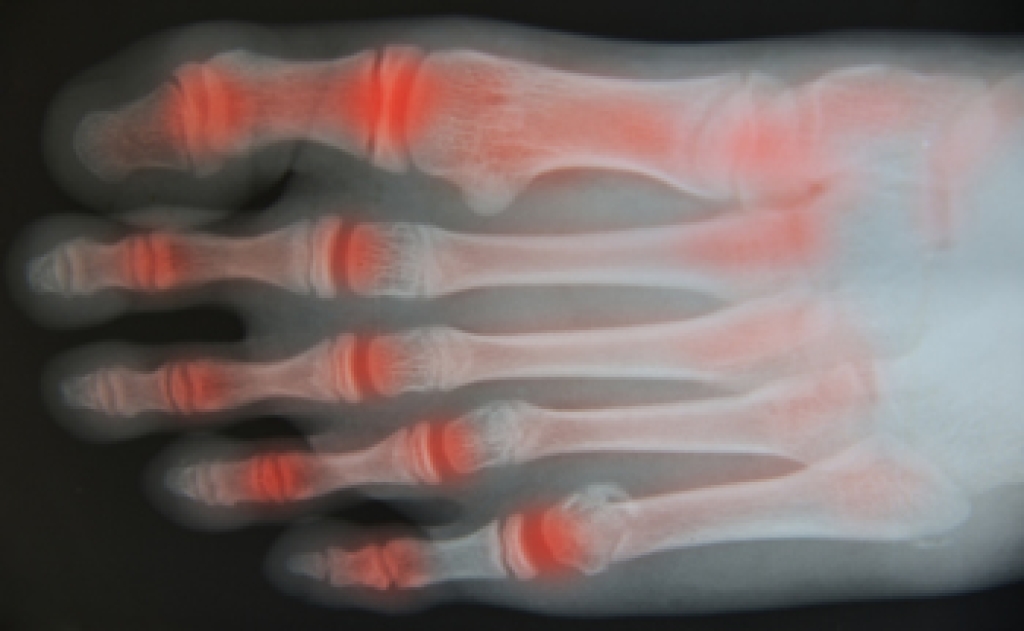
Rheumatoid arthritis, or RA, is a chronic autoimmune disease that causes the immune system to attack the lining of the joints, leading to inflammation and discomfort. Although RA can affect several parts of the body, the feet are often among the first areas to develop symptoms. The condition commonly affects the small joints near the toes, making walking and standing uncomfortable. Ongoing inflammation damages cartilage and bone, potentially changing foot structure. Understanding how rheumatoid arthritis affects the feet can help you recognize warning signs and seek appropriate podiatric care before complications develop.
Foot pain from rheumatoid arthritis may begin with tenderness around the toe joints or stiffness when getting out of bed in the morning. Some people notice swelling that makes shoes feel tighter than usual. Other symptoms include warmth around affected joints and pain that worsens during daily activities. As the condition progresses, persistent inflammation may contribute to bunions, hammertoes, or changes in the position of the toes. The ball of the foot may become especially painful because pressure increases during walking. Symptoms can affect both feet, although discomfort may vary between sides. Recognizing these changes early can help protect mobility and reduce further joint damage.
The exact cause of RA is not fully understood, but the disease develops when the immune system mistakenly attacks healthy joint tissue. Genetics may increase susceptibility, while smoking and certain environmental exposures can contribute to disease risk. RA affects adults of different ages, and women are more likely to develop the condition than men. People with existing RA may experience flare-ups that increase swelling and pain, making ordinary activities more difficult. Inflammation frequently affects foot joints, tendons, and surrounding tissues. A podiatric evaluation is important when these symptoms persist. Early treatment may help limit structural changes and support comfortable movement.
A podiatrist helps manage foot complications associated with rheumatoid arthritis by examining your feet, assessing joint alignment, and reviewing your symptoms. Depending on your needs, the podiatrist may recommend supportive footwear, custom orthotics, or protective padding to reduce pressure on painful areas. Treatment may also include callus care and guidance on reducing stress on affected joints. If deformities or severe joint damage develop, surgical options may be considered when appropriate. If you experience foot pain from RA, it is suggested that you are under the care of a podiatrist for effective relief and management solutions.
Arthritis can be a difficult condition to live with. If you are seeking treatment, contact Desiree Garzon, DPM from County Wide Foot, Ankle, & Wound Care. Our doctor can provide the care you need to keep you pain-free and on your feet.
Arthritic Foot Care
Arthritis is a joint disorder that involves the inflammation of different joints in your body, such as those in your feet. Arthritis is often caused by a degenerative joint disease and causes mild to severe pain in all affected areas. In addition to this, swelling and stiffness in the affected joints can also be a common symptom of arthritis.
In many cases, wearing ill-fitting shoes can worsen the effects and pain of arthritis. Wearing shoes that have a lower heel and extra room can help your feet feel more comfortable. In cases of rheumatoid arthritis, the arch in your foot may become problematic. Buying shoes with proper arch support that contour to your feet can help immensely.
Alleviating Arthritic Pain
- Exercises that stretch the foot can prevent further pain and injury and increase mobility
- Most of the pain can be alleviated with anti-inflammatory drugs, heat, and topical medications
- Massages can help temporarily alleviate pain.
It is best to see your doctor for the treatment that is right for your needs and symptoms. Conditions vary, and a podiatrist can help you determine the right method of care for your feet.
If you have any questions please feel free to contact our office located in Boynton Beach . We offer the newest diagnostic tools and technology to treat your foot and ankle needs.
