Managing a Stubbed Toe

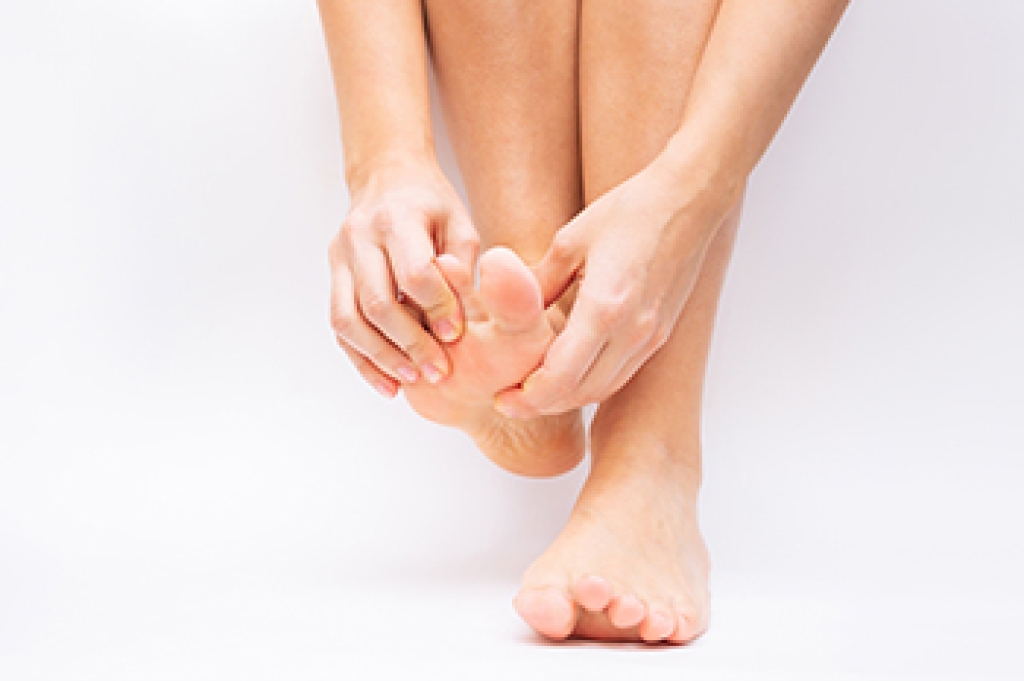
Managing a stubbed toe can be a surprisingly painful experience. Stubbing a toe often results from accidentally kicking the toe into a wall, tripping over objects, or catching it on various surfaces. The symptoms, whether the injury is minor or severe, typically include intense and sometimes sharp pain, radiating discomfort through the foot or ankle, and pain when putting weight on the injured area. The pain of stubbed toes can be significant because of the abundance of nerves in the toe. This heightened sensitivity is compounded by the lack of substantial cushioning in some shoes, along with minimal fat in the toe to absorb impact. This can increase the risk of more severe injuries, such as bone bruises and fractures. If the toe begins to swell and persistent pain lingers even after several hours, it is a sign you may need to see a podiatrist. Additionally, if the toenail either detaches, or the surrounding area experiences significant swelling, you may be at risk of an infection. For these reasons, it is suggested that you schedule an appointment with a podiatrist to ensure proper care and prevent potential complications. 

Toe pain can disrupt your daily activities. If you have any concerns, contact Desiree Garzon, DPM of County Wide Foot, Ankle, & Wound Care. Our doctor can provide the care you need to keep you pain-free and on your feet.

What Causes Toe Pain?

Most severe toe pain is caused due to a sports injury, trauma from dropping something heavy on the toe, or bumping into something rigid. Other problems can develop over time for various reasons.

Toe pain can be caused by one or more ailments. The most common include:

  • Trauma
  • Sports injury
  • Wearing shoes that are too tight
  • Arthritis
  • Gout
  • Corns and calluses
  • Hammertoe
  • Bunions
  • Blisters
  • Ingrown toenails
  • Sprains
  • Fractures (broken bones)
  • Dislocations

When to See a Podiatrist

  • Severe pain
  • Persistent pain that lasts more than a week
  • Signs of infection
  • Continued swelling
  • Pain that prevents walking

Diagnosis

In many cases the cause of toe pain is obvious, but in others, a podiatrist may want to use more advanced methods to determine the problem. These can range from simple visual inspections and sensation tests to X-rays and MRI scans. Prior medical history, family medical history, and any recent physical traumatic events will all be taken into consideration for a proper diagnosis.

Treatment

Treatments for toe pain and injuries vary and may include shoe inserts, padding, taping, medicines, injections, and in some cases, surgery. If you believe that you have broken a toe, please see a podiatrist as soon as possible.

If you have any questions please contact our offices located in Boynton Beach, and Wellington, FL . We offer the newest diagnostic and treatment technologies for all your foot and ankle needs.

Read more about Toe Pain

Suitable Shoes for Walking and Running

When it comes to choosing between running and walking shoes, understanding the key differences can make all the difference. Both walkers and runners have distinct footwear needs, and these needs are reflected in the design of their shoes. The important factors to consider include shoe weight, cushioning, and flexibility. Running shoes are typically lightweight, facilitating quick movements, while walking shoes are generally heavier to provide stability and support during a slower, consistent pace. Running shoes offer more cushioning in the forefoot and heel to absorb the impact of continuous running strides. Walkers require good foot support over extended periods. Running shoes are more flexible in the midfoot or arch, accommodating the runner's constant strike at their midfoot or the ball of their foot. Additionally, walkers need arch flexibility since they rely on their toes to push off. Regardless of your choice, monitor how your shoes support your needs during your walk, and remember to replace them after every 300 to 400 miles or every four to six months to maintain optimal comfort and prevent injury. If you need help in determining what the right shoes are for running or walking, it is suggested that you consult with a podiatrist who is an expert in feet and ankle knowledge.

For more information about walking shoes versus running shoes, consult with Desiree Garzon, DPM from County Wide Foot, Ankle, & Wound Care. Our doctor can measure your feet to determine what your needs are and help you find an appropriate pair of footwear.

Foot Health: The Differences between Walking & Running Shoes

There are great ways to stay in shape: running and walking are two great exercises to a healthy lifestyle. It is important to know that running shoes and walking shoes are not interchangeable. There is a key difference on how the feet hit the ground when someone is running or walking. This is why one should be aware that a shoe is designed differently for each activity.

You may be asking yourself what the real differences are between walking and running shoes and the answers may shock you.

Differences

Walking doesn’t involve as much stress or impact on the feet as running does. However, this doesn’t mean that you should be any less prepared. When you’re walking, you land on your heels and have your foot roll forward. This rolling motion requires additional support to the feet.

Flexibility – Walking shoes are designed to have soft, flexible soles. This allows the walker to push off easily with each step.

If you have any questions, please feel free to contact our offices located in Boynton Beach, and Wellington, FL . We offer the newest diagnostic and treatment technologies for all your foot care needs.

Read more about Walking Shoes vs. Running Shoes

Non-Surgical Treatment of Bunions

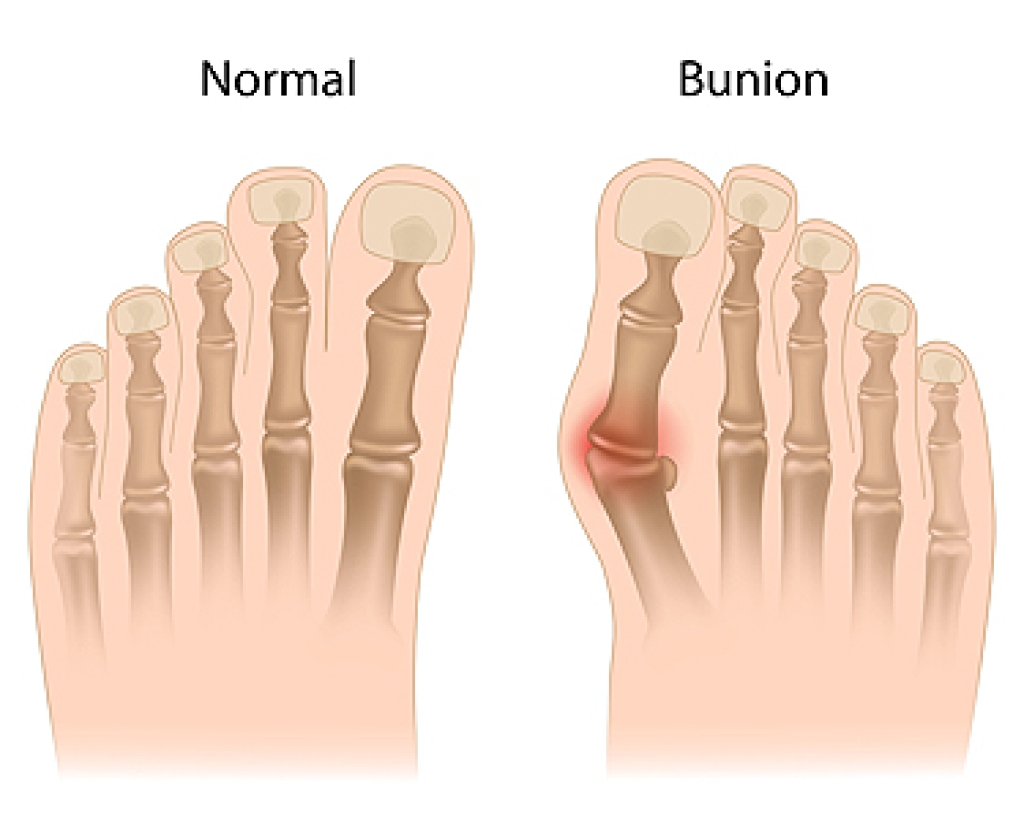
A bunion, a bony protrusion at the base of the big toe, results from bone, tendon, and tissue misalignment. This condition causes the big toe to angle towards the smaller toes. Non-surgical treatments aim to manage pain, reduce swelling, and slow bunion progression. Appropriate footwear plays a vital role, and choosing spacious, bunion-friendly shoes that allow toe room is essential, while avoiding pointed or tight shoes is advisable. Wearing orthotics can improve comfort, arch support, and weight distribution. Additionally, splints and toe spacers can help maintain toe alignment and alleviate pressure on the toes. Engaging in specific exercises can enhance flexibility, relieve pain, and strengthen foot muscles. Although these methods can alleviate symptoms and slow bunion progression, they do not correct the underlying bone misalignment. Surgery may become necessary for severe pain or when conservative treatments prove ineffective. If you have a bunion that is causing discomfort, it is suggested that you schedule an appointment with a podiatrist for pain-relieving treatment.

If you are suffering from bunions, contact Desiree Garzon, DPM of County Wide Foot, Ankle, & Wound Care. Our doctor can provide the care you need to keep you pain-free and on your feet.

What Is a Bunion?

A bunion is formed of swollen tissue or an enlargement of boney growth, usually located at the base joint of the toe that connects to the foot. The swelling occurs due to the bones in the big toe shifting inward, which impacts the other toes of the foot. This causes the area around the base of the big toe to become inflamed and painful.

Why Do Bunions Form?

Genetics – Susceptibility to bunions are often hereditary

Stress on the feet – Poorly fitted and uncomfortable footwear that places stress on feet, such as heels, can worsen existing bunions

How Are Bunions Diagnosed?

Doctors often perform two tests – blood tests and x-rays – when trying to diagnose bunions, especially in the early stages of development. Blood tests help determine if the foot pain is being caused by something else, such as arthritis, while x-rays provide a clear picture of your bone structure to your doctor.

How Are Bunions Treated?

  • Refrain from wearing heels or similar shoes that cause discomfort
  • Select wider shoes that can provide more comfort and reduce pain
  • Anti-inflammatory and pain management drugs
  • Orthotics or foot inserts
  • Surgery

If you have any questions, please feel free to contact our offices located in Boynton Beach, and Wellington, FL . We offer the newest diagnostic and treatment technologies for all your foot care needs.

Read more about What Are Bunions?

Causes and Preventive Measures for Ingrown Toenails

Ingrown toenails occur when the edges or corners of a toenail grow into the surrounding skin, leading to pain and potential infection. Several factors contribute to the development of ingrown toenails, including improper nail trimming, wearing tight or ill-fitting shoes that compress the toes, and hereditary predispositions. Additionally, injuries or trauma to the toe can increase the likelihood of ingrown nails. Preventing this discomfort begins with adopting careful nail cutting practices, which is defined as trimming the nails straight across and avoiding rounded edges. Wearing shoes with adequate toe room and opting for breathable, moisture-wicking socks helps maintain optimal foot hygiene. Individuals with recurring ingrown toenails may benefit from consulting a podiatrist, who can provide guidance on proper foot care. If you have developed this ailment, it is strongly suggested to speak to this type of doctor who can determine what the best treatment method is for you.

Ingrown toenails may initially present themselves as a minor discomfort, but they may progress into an infection in the skin without proper treatment. For more information about ingrown toenails, contact Desiree Garzon, DPM of County Wide Foot, Ankle, & Wound Care. Our doctor can provide the care you need to keep you pain-free and on your feet.

Ingrown Toenails

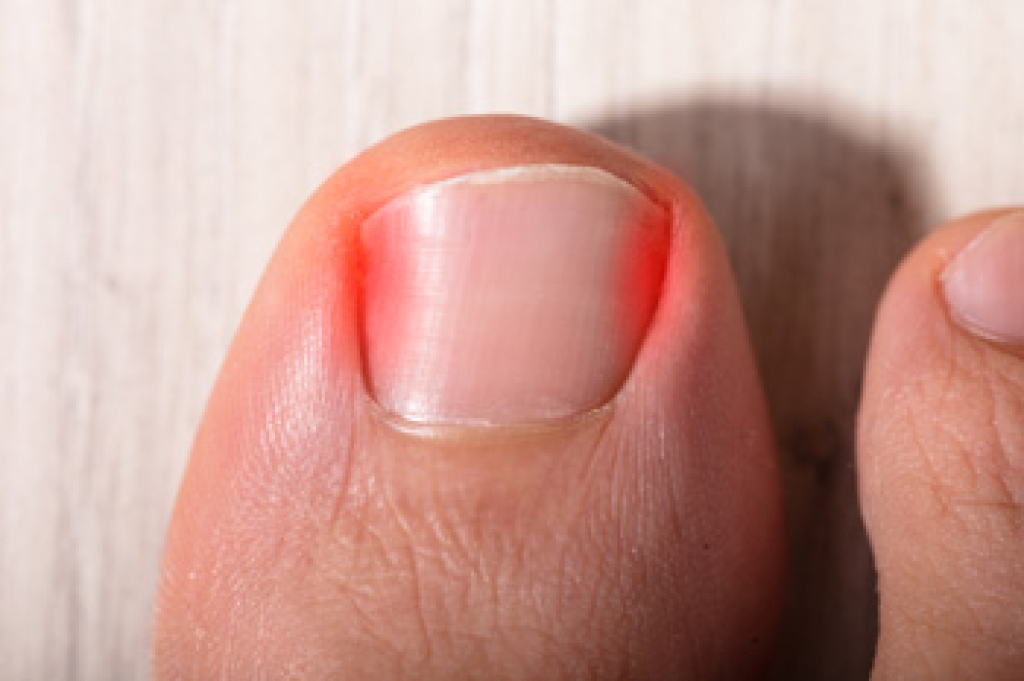
Ingrown toenails are caused when the corner or side of a toenail grows into the soft flesh surrounding it. They often result in redness, swelling, pain, and in some cases, infection. This condition typically affects the big toe and may recur if it is not treated properly.

Causes

  • Improper toenail trimming
  • Genetics
  • Improper shoe fitting
  • Injury from pedicures or nail picking
  • Abnormal gait
  • Poor hygiene

You are more likely to develop an ingrown toenail if you are obese, have diabetes, arthritis, or have any fungal infection in your nails. Additionally, people who have foot or toe deformities are at a higher risk of developing an ingrown toenail.

Symptoms

Some symptoms of ingrown toenails are redness, swelling, and pain. In rare cases, there may be a yellowish drainage coming from the nail.

Treatment

Ignoring an ingrown toenail can have serious complications. Infections of the nail border can progress to a deeper soft-tissue infection, which can then turn into a bone infection. You should always speak with your podiatrist if you suspect you have an ingrown toenail, especially if you have diabetes or poor circulation.

If you have any questions, please feel free to contact our offices located in Boynton Beach, and Wellington, FL . We offer the newest diagnostic and treatment technologies for all your foot care needs.

Read more about Ingrown Toenails

Get Professional Care for a Broken Foot or Ankle

Constant care and regular evaluation are important for a foot or ankle fracture. If left untreated, foot or ankle fractures can worsen over time and create more serious problems.

Don't wait to be examined if you believe you've experienced a foot or ankle fracture.

Connect With Us On Social Media

scroll to top
Book Online